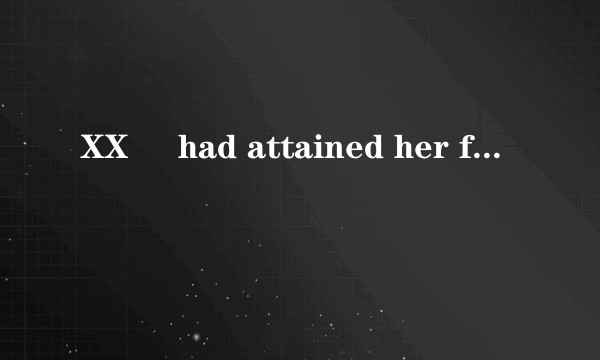
five-and-twenty = twenty-five
five-and-twentieth = twenty-fifth
是英語較古老的數字表達法, 其中常見的是用於年齡表達, 或有用於時間(分鐘)的表達時使用。
這很可能是英語所源由的日爾曼語系語言的習慣的殘餘。
這種個位數在前, 十位數在後的講法, 在跟英語為同系語的現代德語裡面, 仍是通行的講法。
現在在不列顛島一些地方至少老一輩的人當中或許還可能聽到。
而十九世紀的小說裡常見(譬如Jane Austin的"Pride and Prejudice"《傲慢與偏見》裡面就可見)。
在英文詩裡面也看得到; 即使是近代/廿世紀的作品 裡面, 也可能碰上,
除詩歌外, 現代若要使用用在文字甚或口語上, 或許會顯得較有古風。
或許 - 定要有把握能跟上下文氣或語境配合, 否則恐會顯突兀讓人愣住, 特別是在口語當中,
特別因為對他們來說, 您是外語人。 畢竟是頗罕見了, 但仍存在, 至少存在於英文文獻當中,
也存在於題主所提的這個問題當中。
最後, 我僅舉 A.E. Housman (1859-1936)的一首詩, 或可讓題主加深印象,
--------------------------------------
When I Was One-and-Twenty
When I was one-and-twenty
I heard a wise man say,
'Give crowns and pounds and guineas
But not your heart away;
Give pearls away and rubies
But keep your fancy free.'
But I was one-and-twenty,
No use to talk to me.
When I was one-and-twenty
I heard him say again,
'The heart out of the bosom
Was never given in vain;
'Tis paid with sighs a plenty
And sold for endless rue.'
And I am two-and-twenty,
And oh, 'tis true, 'tis true.
--------------------------------------